Vagamon Meadows: The Open Ridge at the Heart of Vagamon
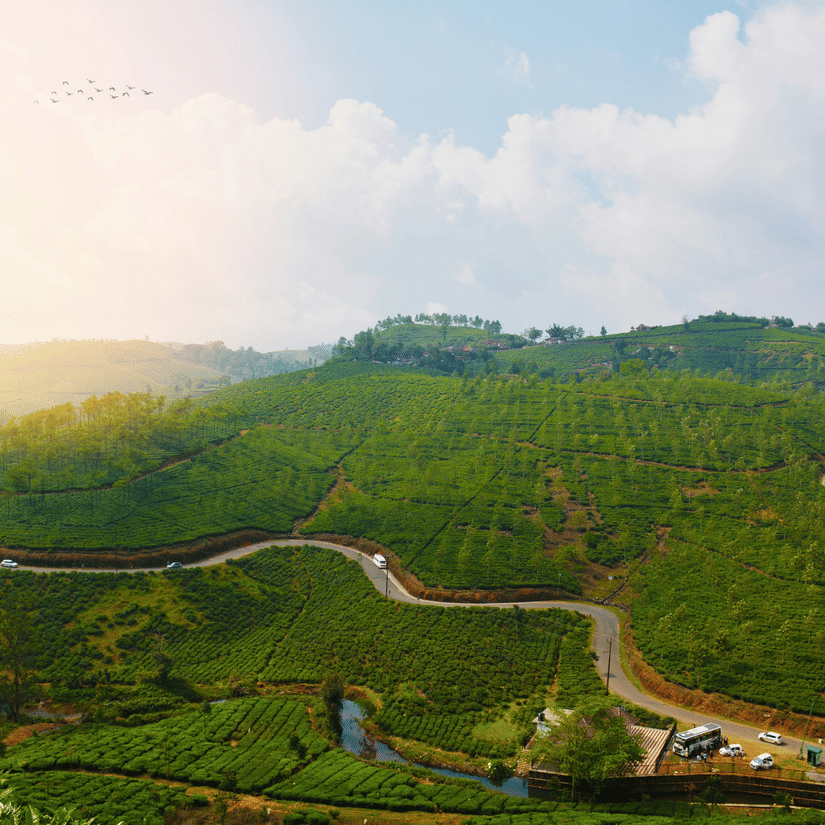
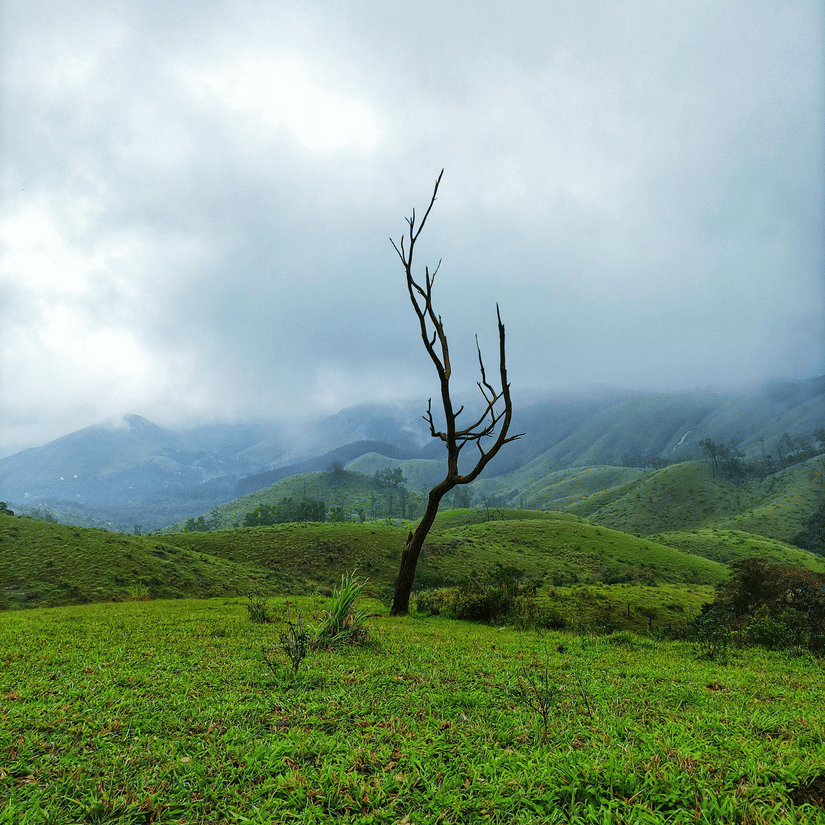
Vagamon Meadows, also known as Barren Hills or Mottakkunnu, is a collection of rolling open hillscapes spread across the Kolahalamedu plateau. The name 'Barren Hills' reflects the seasonal shift in the landscape: during the monsoon, every slope turns a vivid green, while the winter sun drains the grass to gold and opens long ridge views that stretch toward Tamil Nadu. A small lake sits in the hollow between the meadows, and the plateau is also the main launch area for paragliding in Vagamon, making it one of the busiest yet most expansive open spaces in the hill station.
Visiting Info
Visiting Hours: 8:30 AM - 5:00 PM
Entry Fee: INR 10 for adults and INR 5 for children
Best Time to Visit: October to March for clear skies and dry ridge trails; monsoon (June to September) for peak greenery
Travel Tips: Arrive early to catch mist rising off the valley; carry a windcheater as the ridge gets cool after noon; sunset views from the cliff edge are particularly vivid in winter.
Vagamon Pine Forest: A Cathedral of Pines on the Elappara Road
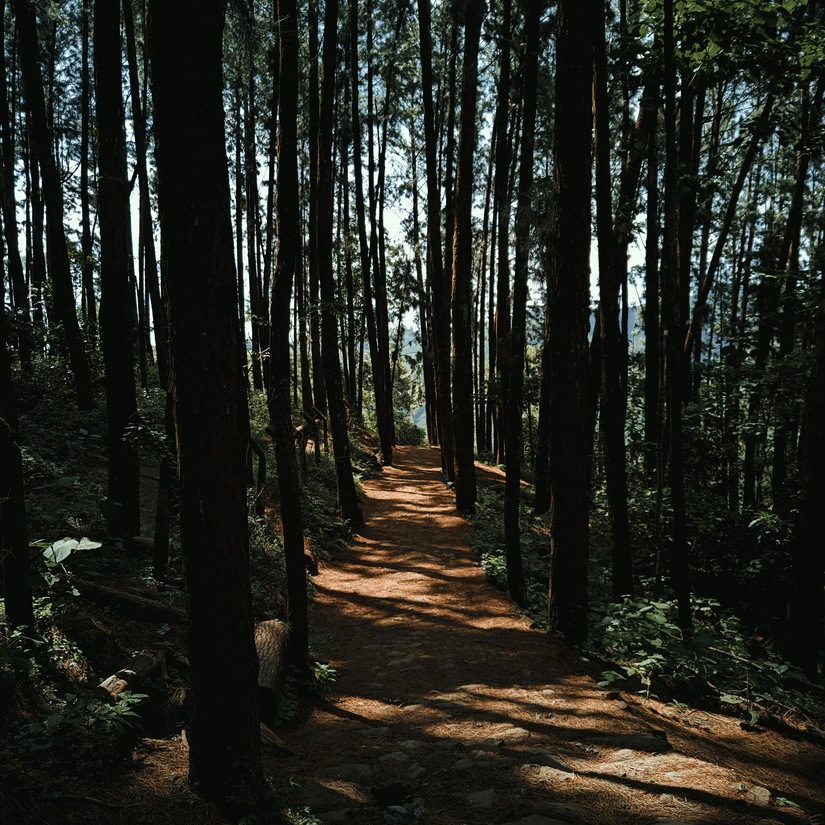
Among the most visually arresting places to see in Vagamon is the pine forest situated along the route to Kurisumala. The Vagamon Pine Forest, at Vedikuzhi, was planted during the British period as a timber reserve and has since become one of the most atmospheric spots in the Western Ghats. Tall, straight pines filter morning light into long, angular columns, and the path through the forest is quiet enough to hear your own footsteps in the carpet of dried needles underfoot. The forest sits at over 1,100 m, and the still, cool air within it stands in sharp contrast to the open meadows just a few km away.
Visiting Info
Visiting Hours: 8:30 AM - 6:00 PM
Entry Fee: INR 10 for adults and INR 5 for children
Best Time to Visit: October to February for cool, clear weather; arrive between 8:30 AM and 10:00 AM for quiet trails before other visitors arrive.
Travel Tips: Forest paths can be uneven and slippery after rain; wear proper footwear. The forest is less crowded on weekdays and in the early morning.
Kurisumala: The Christian Sacred Hill
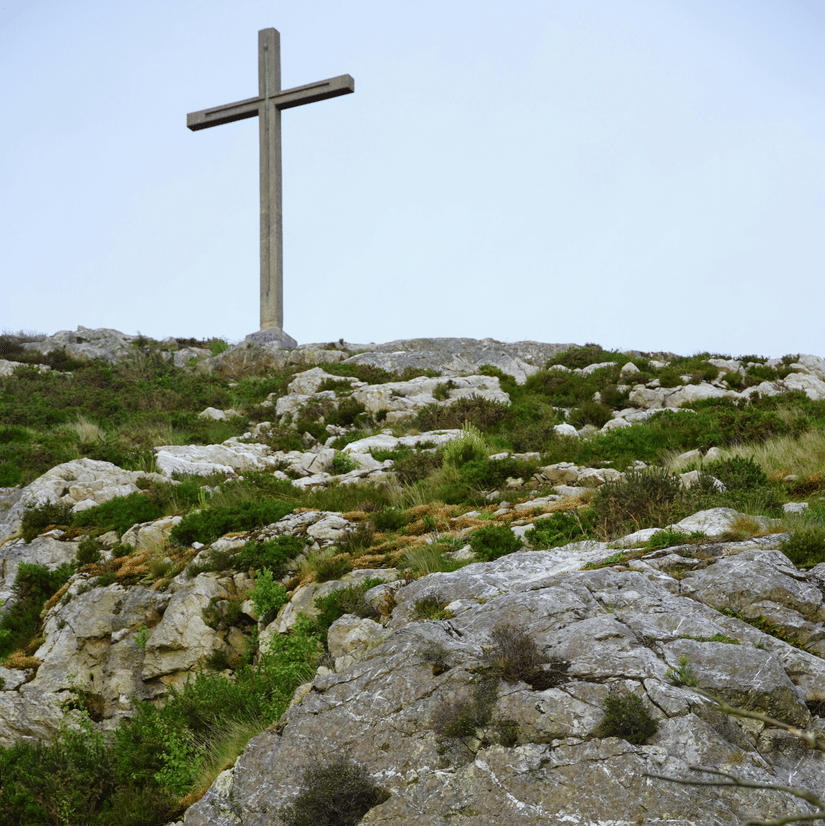
Kurisumala stands at approximately 1,200 m on the Kottayam-Idukki border, and holds a Cistercian monastery of the Syro-Malankara Catholic Church founded in 1958. The name translates to 'Mountain of the Cross' in Malayalam, and the ashram at the base runs on a rhythm of prayer, work, and silence that visitors can observe from a respectful distance. The climb to the summit follows a series of stations of the cross through grassland and rocky terrain, ending at a large cross that commands wide views of surrounding tea estates and valleys. Good Friday draws large numbers of pilgrims who make the ascent carrying wooden crosses.
Visiting Info
Visiting Hours: 6:00 AM - 6:00 PM
Entry Fee: Free
Best Time to Visit: October to May; avoid the peak Good Friday week unless visiting for the pilgrimage itself
Travel Tips: Dress modestly when visiting the ashram; maintain silence near the monastery buildings; hire a jeep from the base if the climb feels steep.
Thangal Para: The Islamic Sacred Hill
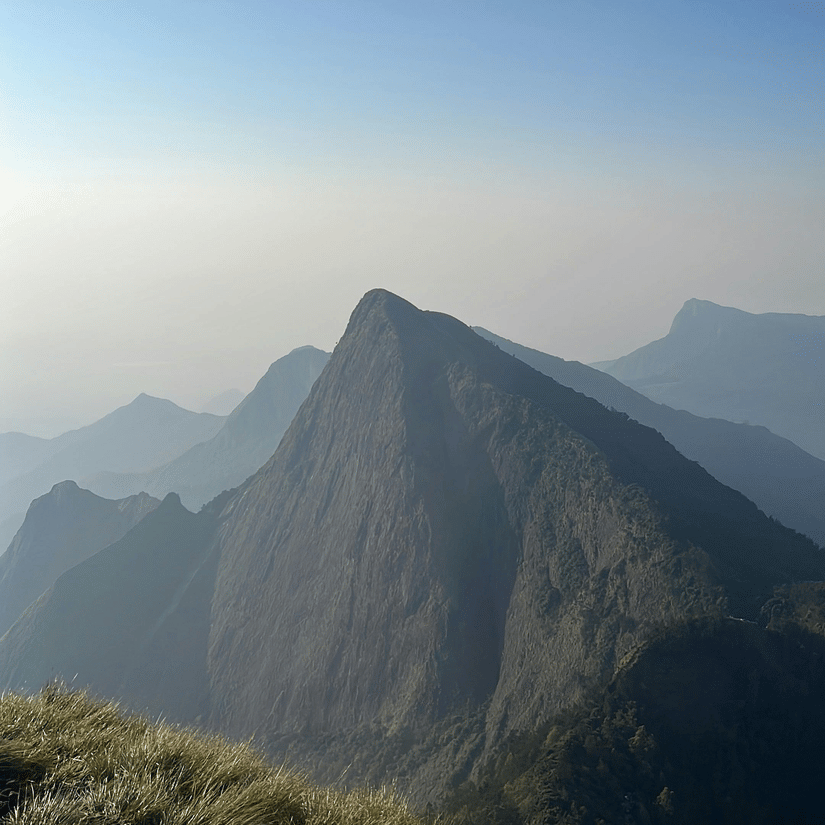
Thangal Para takes its name from Sheikh Fariduddin, a Sufi saint from Afghanistan who is believed to have lived and died on this hill around 800 years ago. The site is sacred to Muslim pilgrims, who come to offer prayers at the dargah that marks his resting place. A large spherical rock formation near the summit is the most striking feature: local belief holds that it was originally a small grinding stone used by the saint, which grew to its current size after his death. An ancient cave nearby is believed to have served as the saint's place of meditation and is one of the must-visit places in Vagamon worth exploring on the climb.
Visiting Info
Visiting Hours: 6:00 AM - 6:00 PM
Entry Fee: Free; a small parking charge applies at the base
Best Time to Visit: October to March; best visited early morning for a quiet atmosphere
Travel Tips: The access road becomes muddy after rain; wear sturdy shoes; a jeep can take you partway up, with a short trek to the summit from there.
Murugan Para: The Hindu Sacred Hill
Murugan Para sits on the eastern side of the Kurisumala hill range and houses a rock-cut temple dedicated to Lord Murugan, the son of Lord Shiva. The temple is carved from a single rock, making it a distinct example of rock-cut temple architecture in this part of Kerala, and pilgrims come from across the country to pay their respects. The climb is moderate and ends at the summit with wide open views of the surrounding Vagamon landscape. Alongside Kurisumala and Thangal Para, Murugan Para completes the trio of sacred hills that represent the interfaith character of the town.
Visiting Info
Visiting Hours: 6:00 AM - 6:00 PM
Entry Fee: Free
Best Time to Visit: October to April; avoid the monsoon months as the rocky path becomes slippery.
Travel Tips: Carry water for the climb; visit early in the morning to beat the midday heat; the views from the summit are best in clear winter weather.
Vagamon Waterfalls: A Stream that Slips Through Private Forest
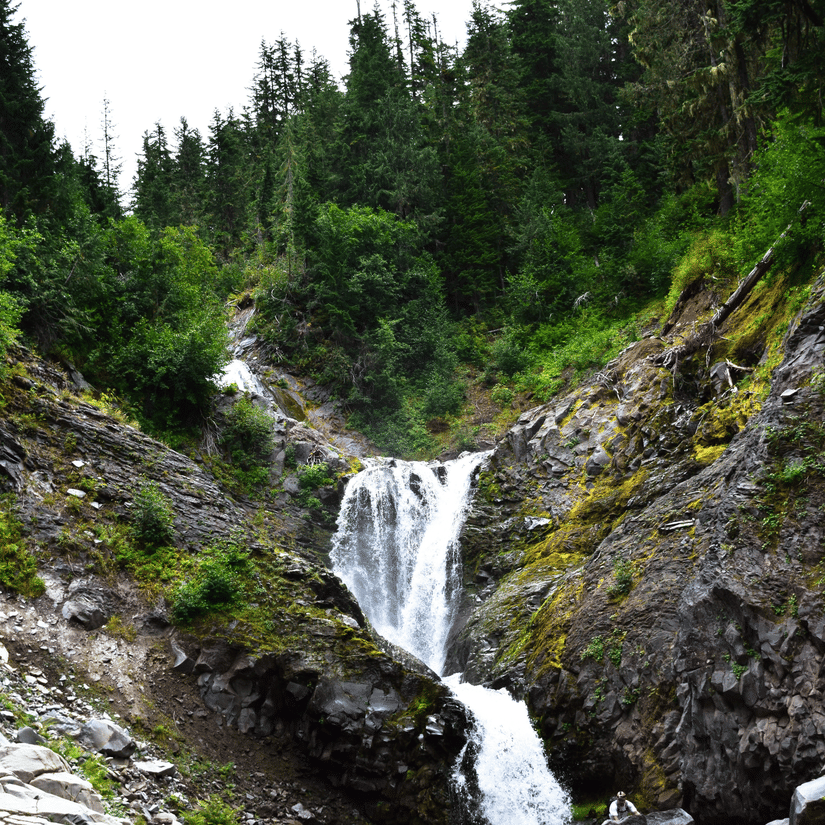
Also known as Palozhukumpara Waterfall, Vagamon Falls is close to the lower Pine Forest. The falls form where a stream springs from a lake and cascades into the ravine below, framed on both sides by dense forest and hillside vegetation. The route to the falls is a popular trekking path, though the waterfall sits on private property and is best viewed from a distance rather than approached directly.
Visiting Info
Visiting Hours: 6:00 AM - 6:00 PM
Entry Fee: Free
Best Time to Visit: October to March, when post-monsoon rains keep the falls in good flow; avoid heavy monsoon months for safety
Travel Tips: Check with locals about water levels before visiting; the approach road is narrow and winding but offers strong views of the hills; carry water for the walk.
Marmala Waterfalls: A 60 m Cascade in a Rubber Estate
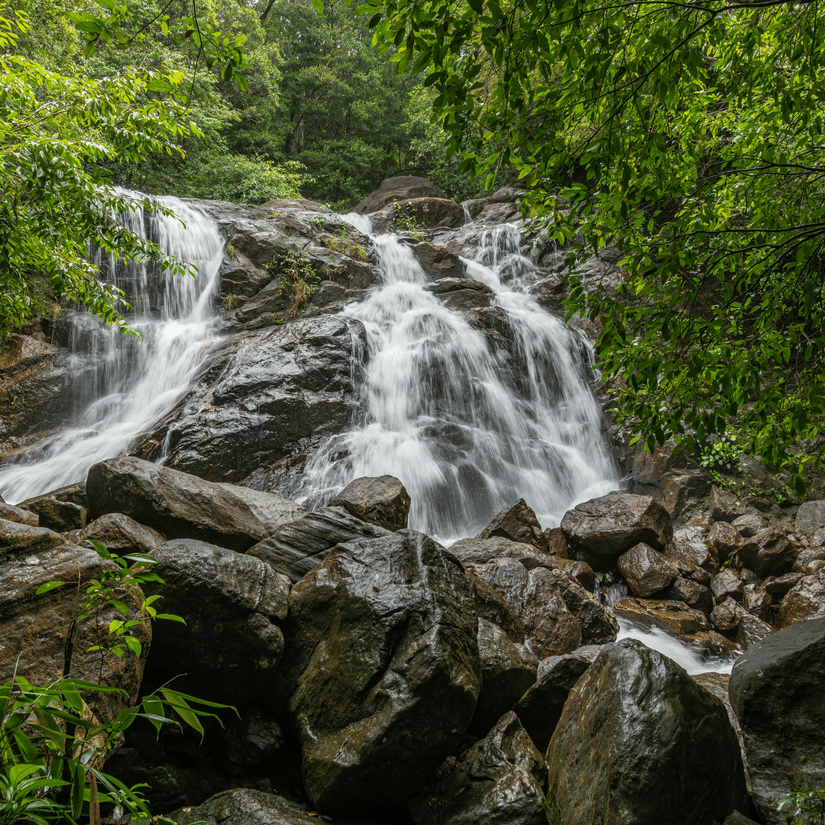
Marmala Waterfalls drops 60 m from a rocky cliff into a 12 m deep pool inside a private rubber estate near Teekoy, and is worth adding to your ‘Vagamon places to visit’ list. The Meenachal River feeds it, and the height, dense surrounding forest, and roar of the water make this one of the most dramatic waterfall experiences in this part of Kerala. Reaching the falls requires a 2 km trek from the rubber estate through a scenic forest path, so the journey itself is part of the attraction. The pool is dangerous for swimming, given its depth and the force of the water.
Visiting Info
Visiting Hours: 6:00 AM - 6:00 PM
Entry Fee: No official entry fee; a nominal charge may apply on private estate land.
Best Time to Visit: September to March, with October to February recommended for safer trail conditions
Travel Tips: Wear trekking shoes with grip; carry salt or turmeric to repel leeches during monsoon; do not attempt to swim; plan to reach the site before 4:00 PM for a safe return.
Ulupooni Wildlife Sanctuary: A Lake, a Forest, and a Quiet Getaway
Ulupooni Wildlife Sanctuary surrounds a lake ringed by rocky mountains on the Idukki-Kottayam border. The sanctuary is home to elephants, tigers, leopards, and a wide variety of bird species, and the open terrain around the lake gives wildlife better visibility here than on purely forested trails. Boating on the lake is a popular activity, and the sanctuary remains a premier choice among must-visit places in Vagamon for families, couples, and travellers seeking to connect with Kerala's silvicultural legacy.
Visiting Info
Visiting Hours: 9:00 AM - 6:00 PM
Entry Fee: Free
Best Time to Visit: November to February for pleasant weather and better wildlife activity near the water
Travel Tips: Carry binoculars for birdwatching; maintain silence inside the sanctuary; the road is partially off-road, so a sturdy vehicle or jeep is advisable.

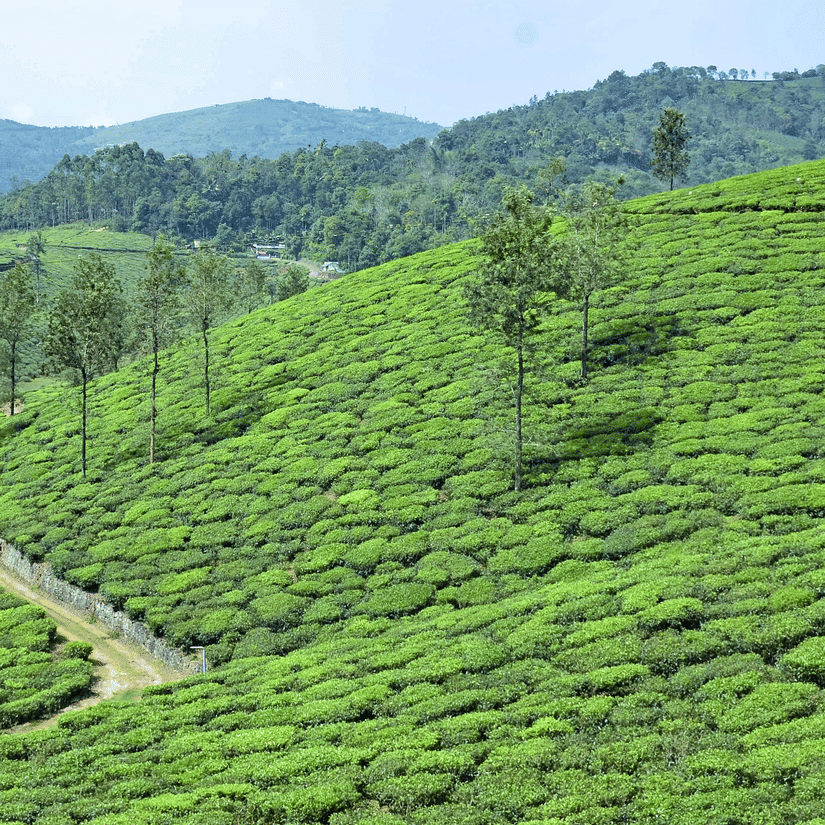
Tea plantations of Vagamon: Rows of Green Across the Hill Slopes
Among the places to see in Vagamon, the tea estates that circle the town on three sides are as much a part of the experience as any specific landmark. Developed during the British era, the plantations spread across the slopes of the Kottayam-Idukki border and remain in active cultivation today, with workers picking the upper leaves in the early morning hours. Walking along the estate paths gives a ground-level view of how the hills are cultivated, and the contrast between the pine forest, bright green tea rows, and valley mist above is one of Vagamon's most enduring visual qualities.
Visiting Info
Visiting Hours: Open year-round; best accessed during daytime hours
Entry Fee: Free; guided plantation walks may involve a small fee.
Best Time to Visit: Year-round; early morning for mist-laced landscapes and active picking
Travel Tips: Do not disturb the workers; fresh Vagamon tea can be bought from local shops in town; guided plantation walks can be arranged through the resort's travel desk.
What to Carry When Visiting Places in Vagamon
A practical checklist before you set out:
Trekking Shoes: Waterproof or grippy soles for rocky paths and forest trails; essential for Marmala Waterfalls and Thangal Para
Rain Gear: A compact poncho or waterproof jacket; non-negotiable during monsoon (June to September) and useful through October
Sunscreen: High altitude means stronger UV exposure, particularly on open ridges at Vagamon Meadows and the paragliding site
Water Bottles: Carry at least 1.5 litres per person; refilling points are scarce on most trails
Comfortable Layered Clothing: Temperatures drop noticeably after sunset and on exposed ridgelines
Insect Repellent: Essential for forest sections, particularly Marmala Waterfalls and Ulupooni Wildlife Sanctuary
Torch or Headlamp: Useful for cave exploration at Thangal Para or a late return from any trail

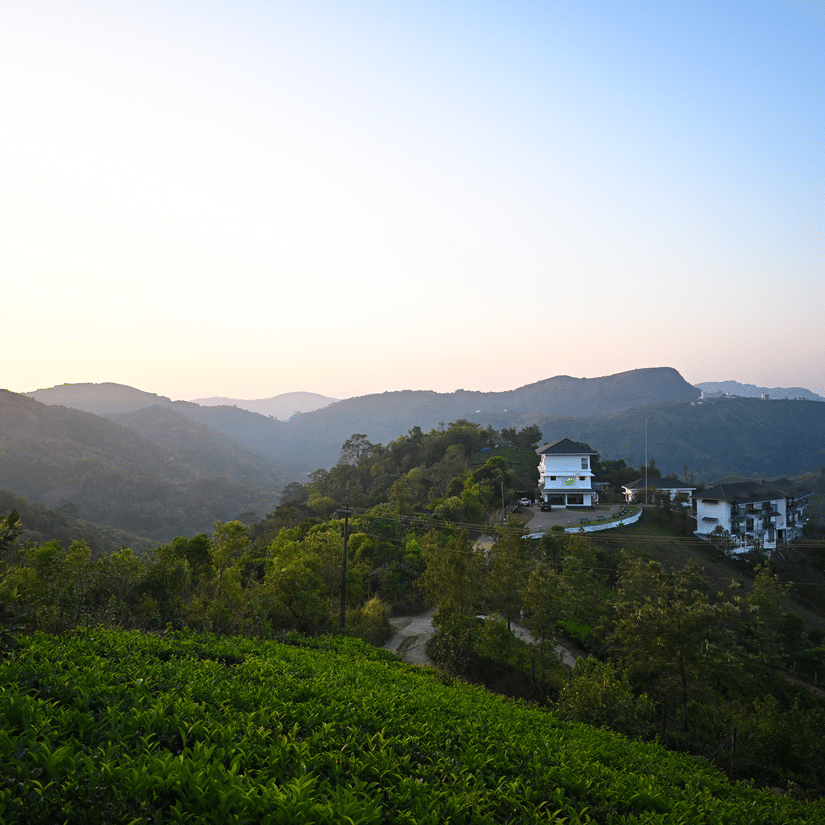
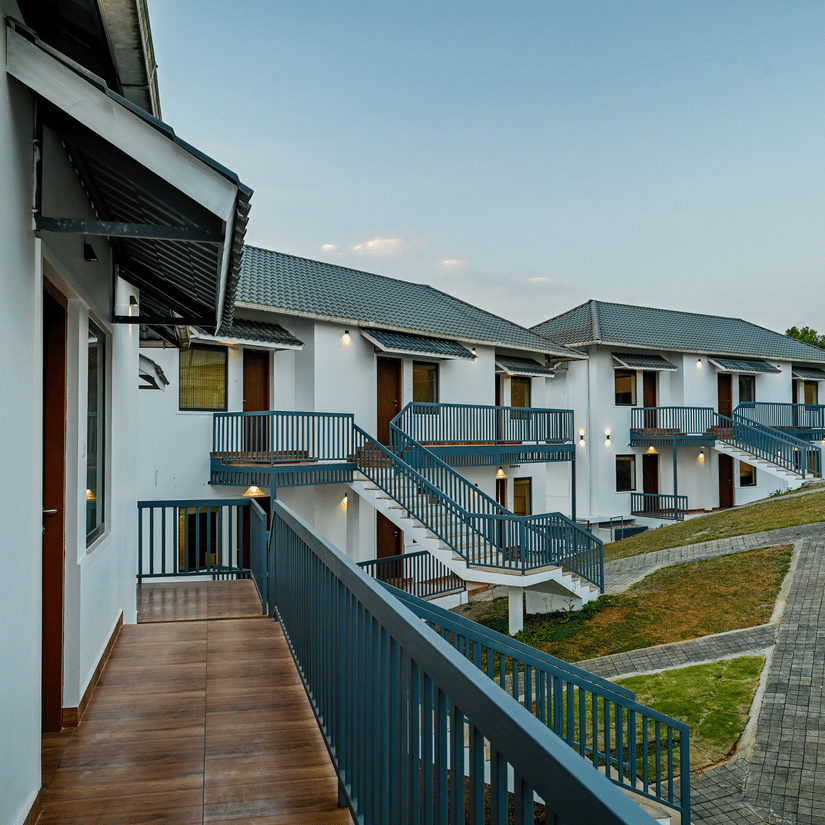
Abad Silver Mist: Your Retreat for a Vagamon Getaway
After a day covering the places to visit in Vagamon, the right base makes a real difference. Sitting in the Ulupponi hills above the valley floor, Abad Silver Mist, Vagamon, puts most of the attractions within a short drive, such as:
Ulupooni Wildlife Sanctuary: ~5 km
Vagamon Meadows: ~15 km
Kurisumala: ~15 km
Murugan Para: ~15 km
Vagamon Pine Forest: ~17 km
Thangal Para: ~17 km
Vagamon Falls: ~20 km
Marmala Waterfalls: ~22 km
Abad Silver Mist suits the pace of Vagamon well: unhurried, comfortable, and deeply connected to the landscape it overlooks. Our 23 valley-view rooms open onto private balconies where the morning mist settles into the valley below, and the calm of the hills makes an early return from any trail feel like a reward rather than an interruption.
Dine against sweeping hill views at our multi-cuisine restaurant, where floor-to-ceiling windows set the scene for Indian and international favourites served across breakfast, lunch, and dinner. Take a refreshing dip in our outdoor swimming pool, gather around the evening bonfire, or set out on a chargeable jeep safari to explore the surrounding landscapes. Make the most of added conveniences, including a well-equipped banquet hall accommodating up to 30 guests, and a travel desk that can arrange jeep safaris into the surrounding hills—perfect for experiencing the misty valleys, rolling meadows, and quiet charm that make Vagamon so memorable.